
Expert Insights on Solar, Batteries and Power Bills
A collection of energy explainers, customer stories and industry perspectives from our crew here at Amber.
Categories:
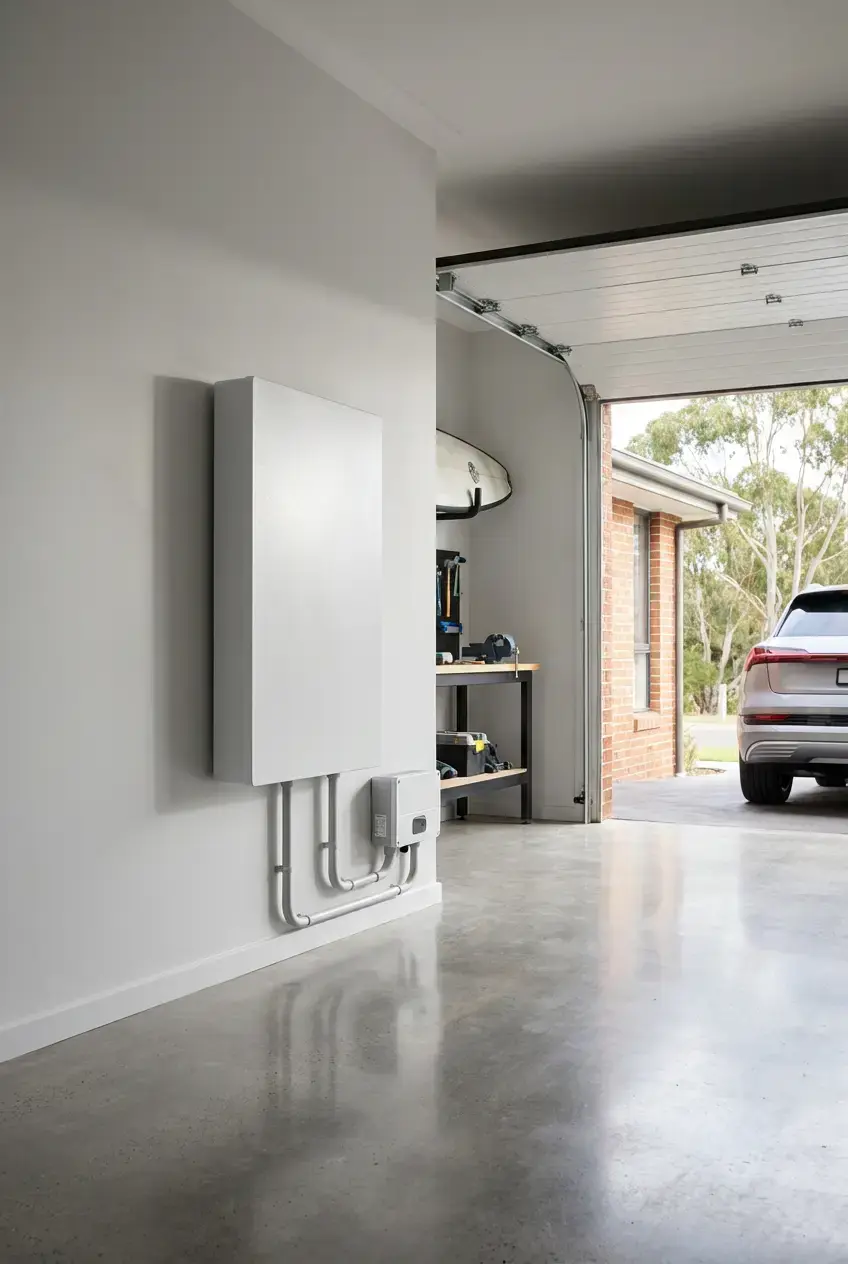
Installing solar panels is a brilliant first step towards energy independence, but what happens when you're ready to take things further? Maybe you want to store excess solar energy for use at night, or perhaps you're eyeing off an electric vehicle and need more power flexibility. This is where a battery-ready solar system becomes invaluable.

If you're an Amber customer in NSW, you might have noticed something unusual on your app over the past couple of days. Electricity prices didn't just spike - they went on a rollercoaster ride that's relatively rare to see in the National Electricity Market. Let's unpack what drove these price movements and what they tell us about Australia's changing electricity system.

You have solar panels pumping out energy during the day, but what happens when the sun sets? That is where batteries come in. Adding battery storage to your existing solar system lets you store excess energy for use at night, during peak price periods, or when the grid needs support.But how much does it actually cost to add a battery to solar panels in Australia? And more importantly, is it worth it?

If you have a home battery, you've probably heard about Virtual Power Plants. The promise is simple: connect your battery to a network, help the grid, and earn money in return. But here's where it gets complicated. Not all VPPs operate the same way, and the differences between them can mean thousands of dollars in savings and significantly more control over your own energy. Let's break down how VPPs actually work, where traditional VPPs often fall short, and why Amber's approach delivers better outcomes for households.

The Australian Government has announced the Solar Sharer scheme, a new initiative designed to reward households for using electricity during the middle of the day when solar generation is at its peak. It's a welcome recognition that Australia's energy system works better when we use more power during solar hours, and a sign that time-varying pricing is becoming mainstream. The Solar Sharer scheme acknowledges what many in the energy sector have known for years: when solar is abundant, electricity should be cheap, and households should benefit from using it.

If you're new to EVs, you've probably experienced it: that nagging worry about whether you've got enough charge to make it home. But here's the good news - a new Australian study shows that range anxiety is temporary, and your charging habits will naturally evolve as you get comfortable with your EV.
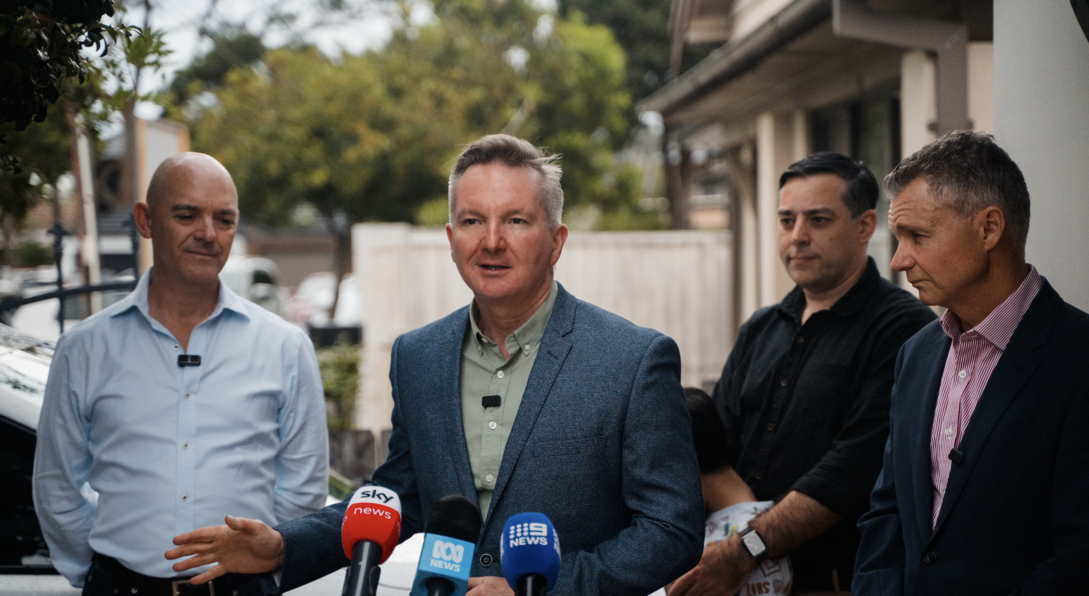
The Hon Chris Bowen MP visited the Sydney home of Ben and Jo Marshan to launch the first residential vehicle-to-grid (V2G) installation as part of Amber and ARENA's groundbreaking trial.

Amber today announced the latest milestone in its vehicle-to-grid (V2G) trial with the Australian Renewable Energy Agency (ARENA), as BYD confirmed it will warrant 50 Amber customers’ EVs as part of the program.

AEMO's CEO David Westerman says Australia needs VPPs to manage our solar boom. He's right - but energy retailers are getting it wrong. Myles Eftos on why Australians are rejecting VPPs and what needs to change.

Chris is back with some good news about where prices are heading, plus an update on what we’re doing to make getting help from Amber faster if you need it.

The Electric Vehicle Council has released their State of EVs 2025 report. This is the resource for Australia's EV industry with over 100 pages of research and analysis - it's a must-read for anyone interested in this fast-growing industry. Here are three takeaways that matter most for current and potential EV owners with access to charging at home.

Most solar batteries won't work during a blackout unless they're specifically designed for backup power. Learn what equipment you need, how long backup power lasts, and how to make sure your system works when you need it most.


