
Expert Insights on Solar, Batteries and Power Bills
A collection of energy explainers, customer stories and industry perspectives from our crew here at Amber.
Categories:

We've grown a lot recently, and a lot is happening behind the scenes. This page is updated regularly with what's changed and what it means for you.
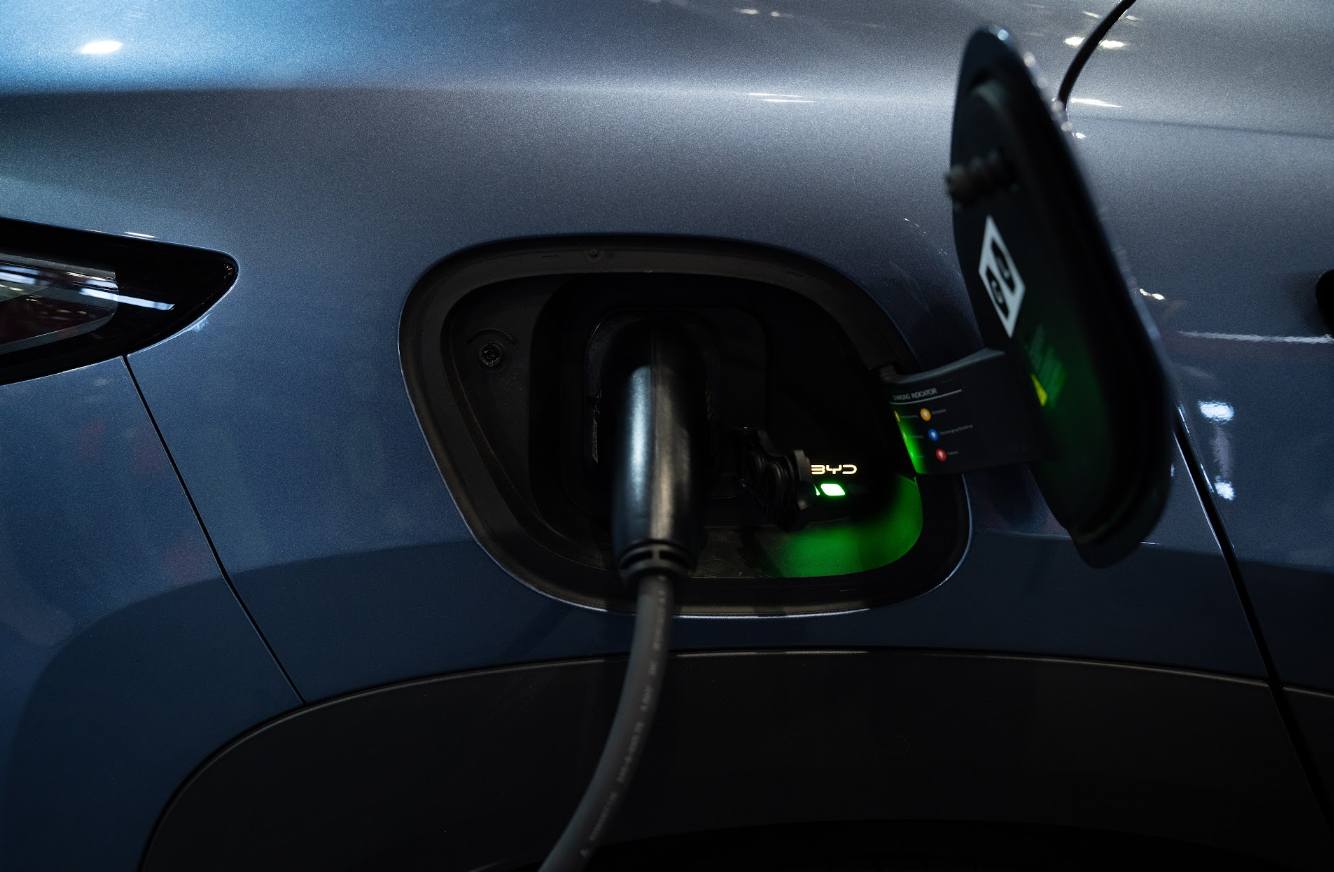
September was a big month for EVs and V2G in Australia. Demand for EVs kept breaking records, the BYD Sealion 7 joined our V2G program, and the fleet put its parked batteries to work.
South Australia is one of the best places in the country to own a battery. It has some of the highest rooftop solar uptake in the world, and more than 11% of homes now have a battery.
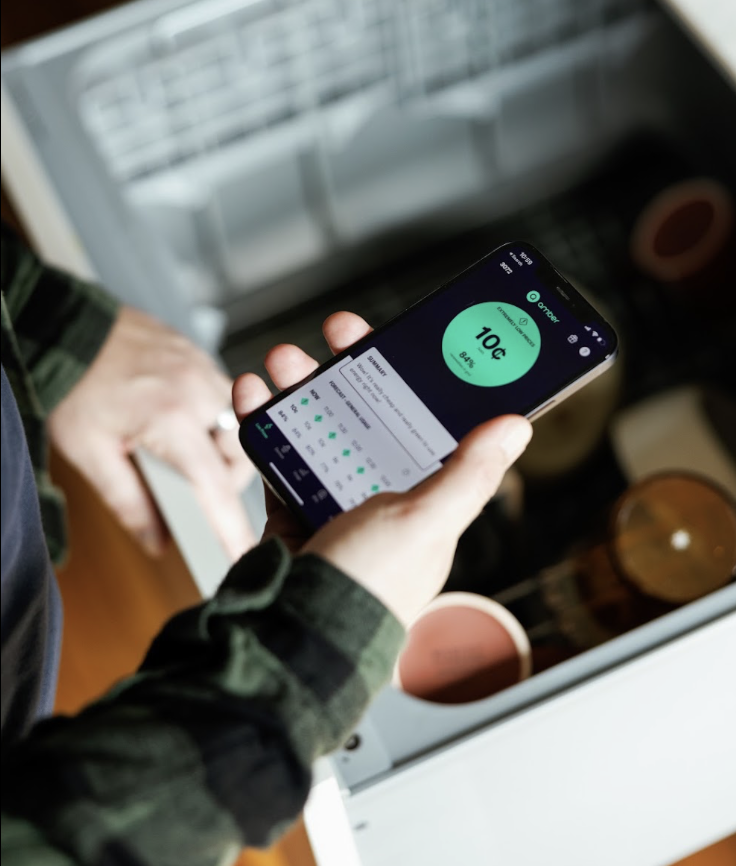
SmartShift has one job: make your home battery work harder for you.
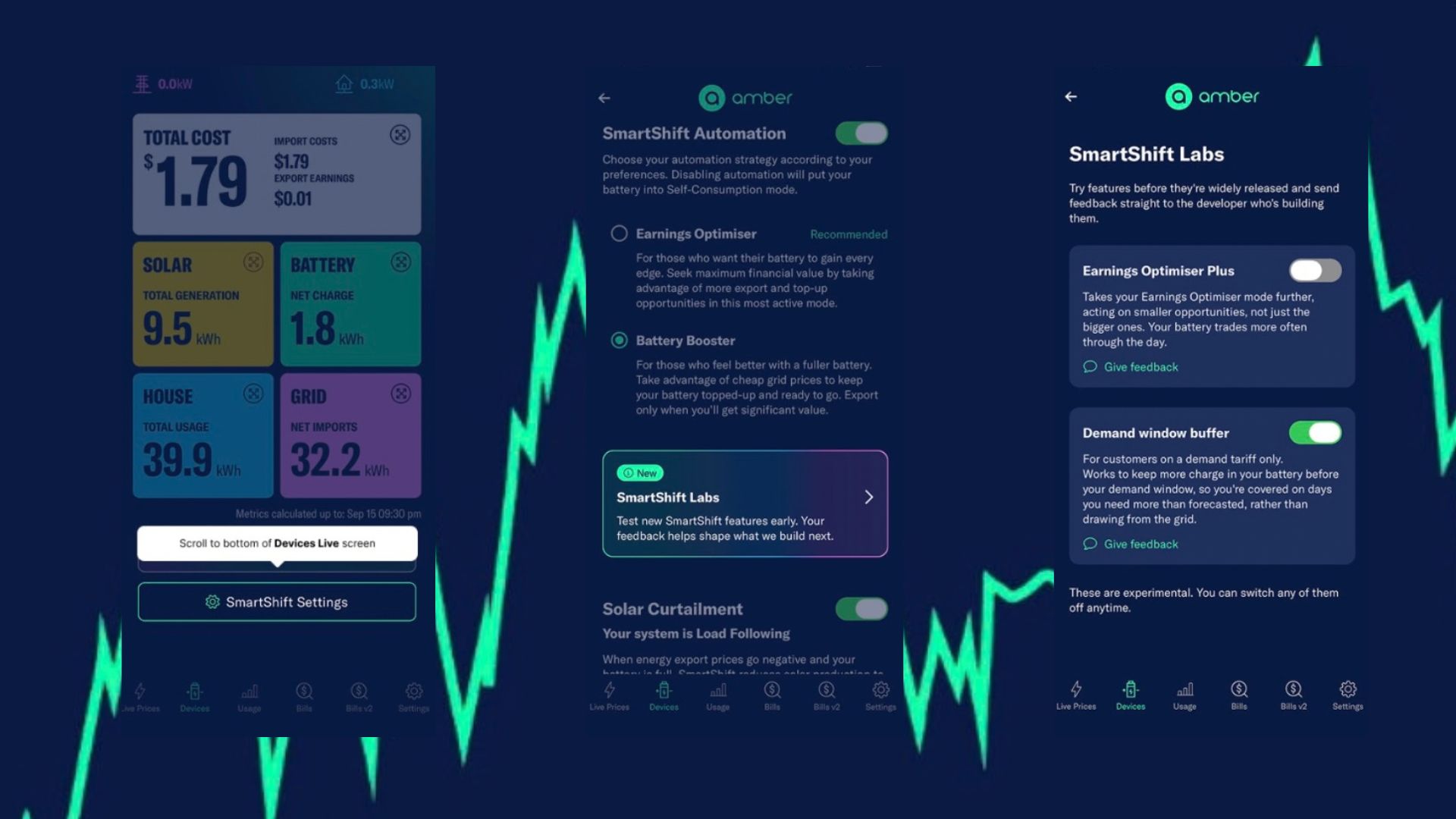
We’re constantly testing new ways to make SmartShift better, whether that’s finding more opportunities for your battery to earn, protecting you from expensive demand charges, or giving you more control over how your battery is automated.
.jpg)
If you’re thinking about buying a home battery, there’s one question you probably want answered first: how long will it take to pay for itself? That’s your battery’s payback period, and it’s a big part of working out your return on investment (ROI).

Amber has raised $78.5 million in Series E funding to scale our battery and EV automation technology in Australia and accelerate our expansion across Europe.

Amber Electric and BYD Australia today announced the expansion of their vehicle-to-grid (V2G) partnership to include the Sealion 7, opening Australia's largest live V2G program to eligible owners of BYD's top-selling EV.
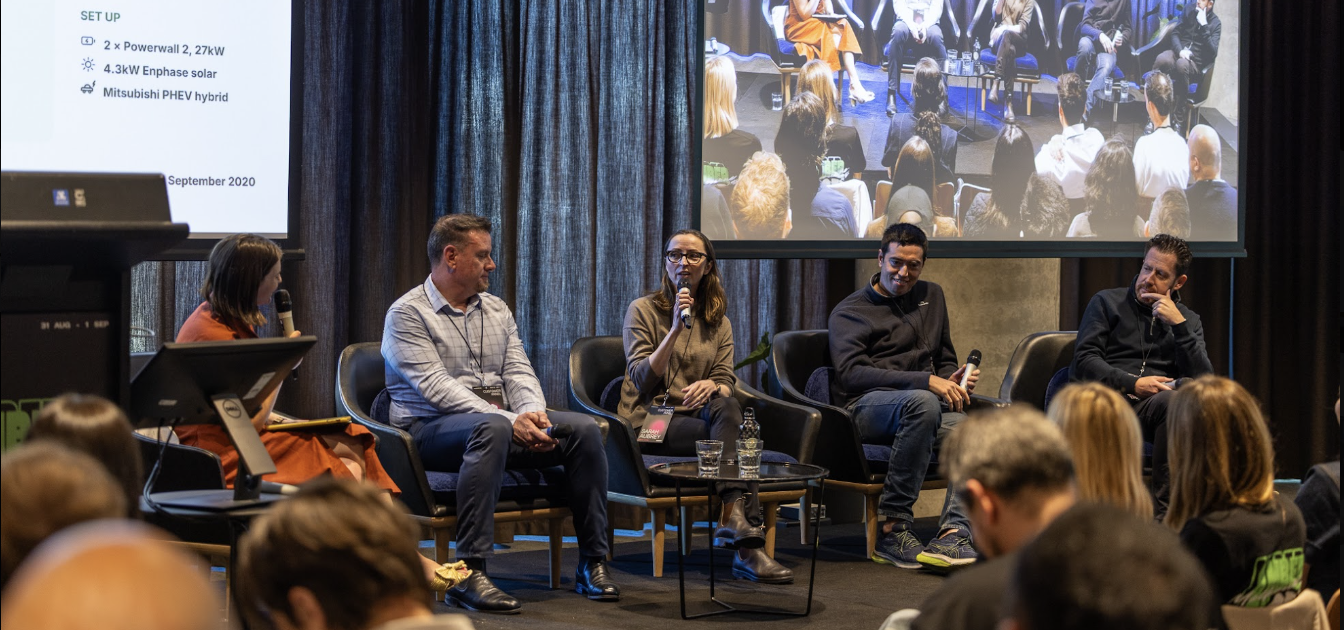
Four customers, 240 Amber staff and no off-limits feedback. At AmberCon, we handed our customers the mic to tell us what we’re getting right, what needs work and what they want to see from us next.
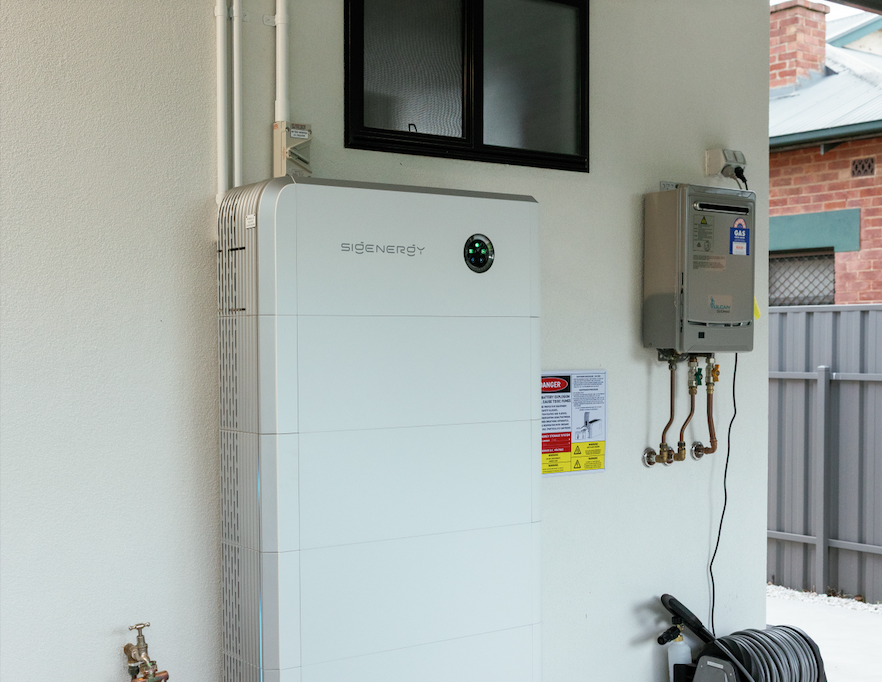
Got a battery on the wall in South East Queensland? You're in a region with plenty of rooftop solar and periods where abundant daytime generation can push wholesale electricity prices very low, and sometimes negative. For battery owners, that creates opportunities to store energy when it's cheap and use or export it when electricity is worth more.
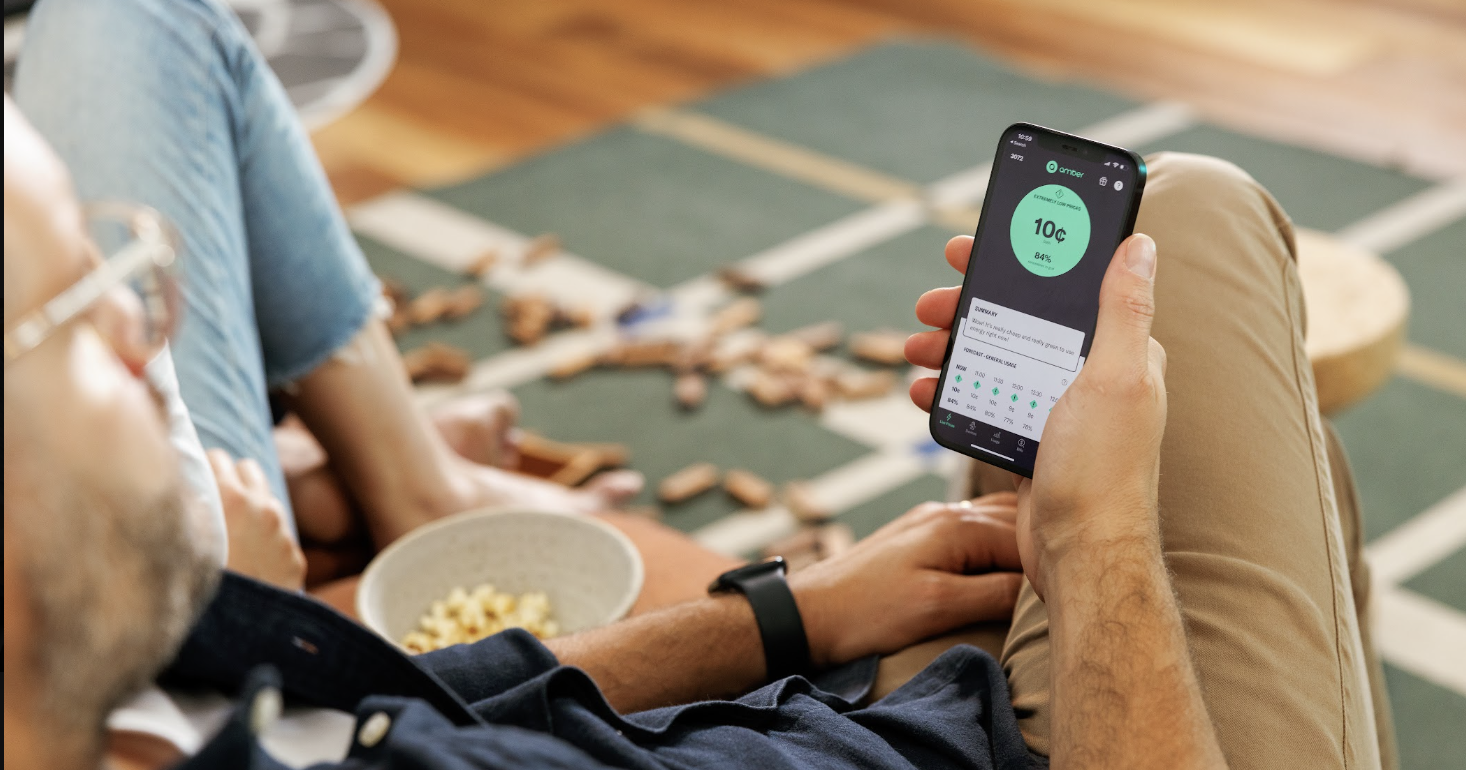
New EY research shows Australians are increasingly open to AI playing a bigger role in how they manage their energy. As homes add more solar, batteries and EVs, we look at how automation can take on more of the decisions happening behind the scenes.
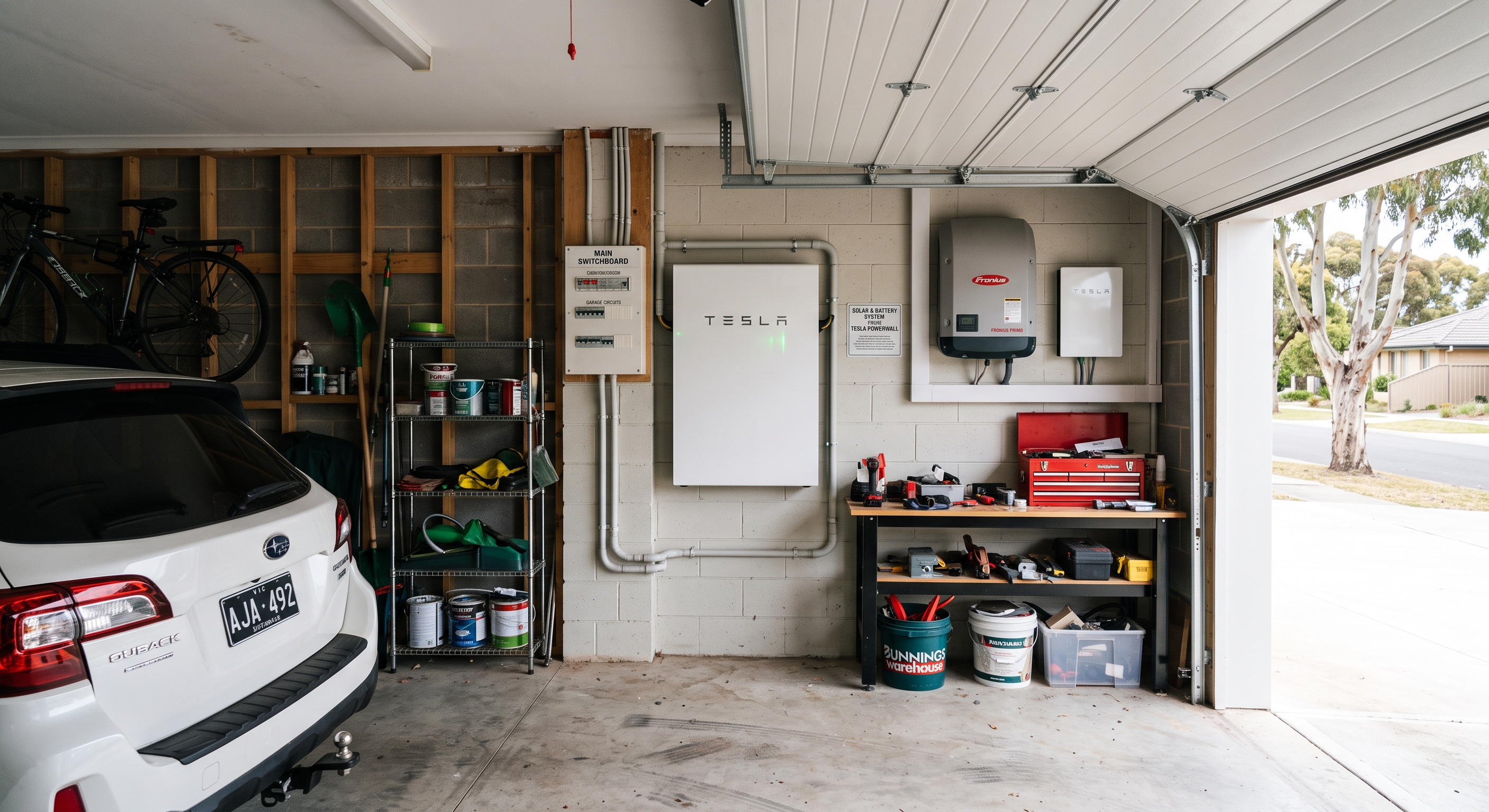
Your battery has been quietly charging up on solar through the day and running the house at night since the day it went in. It's brought the bill down, and there's been no reason to look any closer at what it's doing. So is it earning you as much as it actually could?


