
Australia's installing batteries at a record pace. Over 250,000 have been added since the federal battery rebate started in July 2025. So it's a fair question: if everyone's got a battery, won't the grid just flatten out? Won't there be nothing left to earn?
Short answer: No.
The wholesale energy market is changing fast. But the idea that batteries will smooth out all the price highs and lows until there's nothing in it for you? That misunderstands how Australia's grid actually works.
The grid isn't getting boring. It's getting weirder.
Batteries are making a dent. In the last quarter of 2025, wholesale electricity prices across the National Electricity Market (NEM) averaged $50/MWh, nearly half what they were a year earlier. Renewables hit a record 51% of total supply. Battery discharge during evening peaks jumped 175%. All genuinely great news for the energy transition.
But here's what the "batteries will flatten everything" idea misses. The grid isn't heading toward some smooth, predictable flatline. It's actually getting spikier in new and different ways.
Coal plants are closing. The Australian Energy Market Operator's (AEMO) draft 2026 plan projects two-thirds of Australia's remaining coal fleet will shut down by 2035. When those big baseload generators switch off, something has to fill the gap. Right now, that's batteries and gas. And when supply gets tight, prices move. Sometimes a lot.
During a South Australian heatwave in late January 2026, wholesale prices sat at or near $20,000 per megawatt hour for more than three hours. That's not a typo. Batteries with charge to sell during those hours earned extraordinary returns.
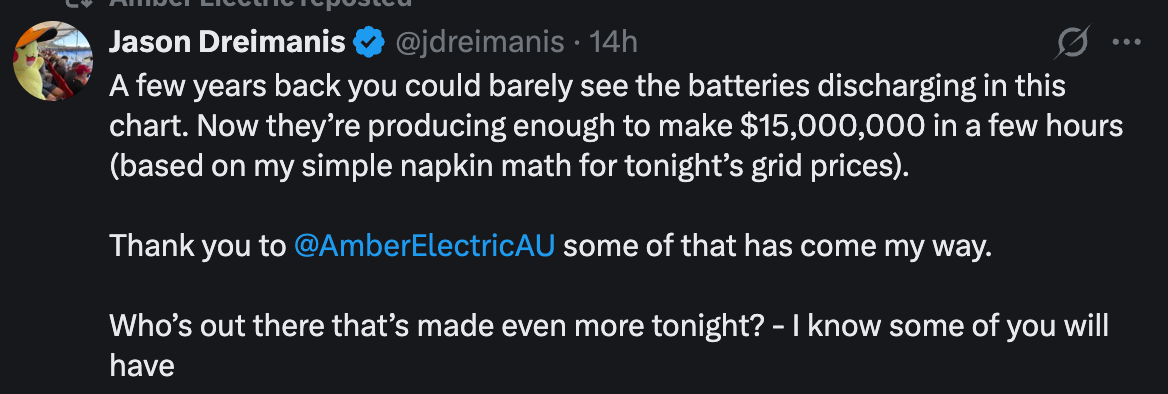
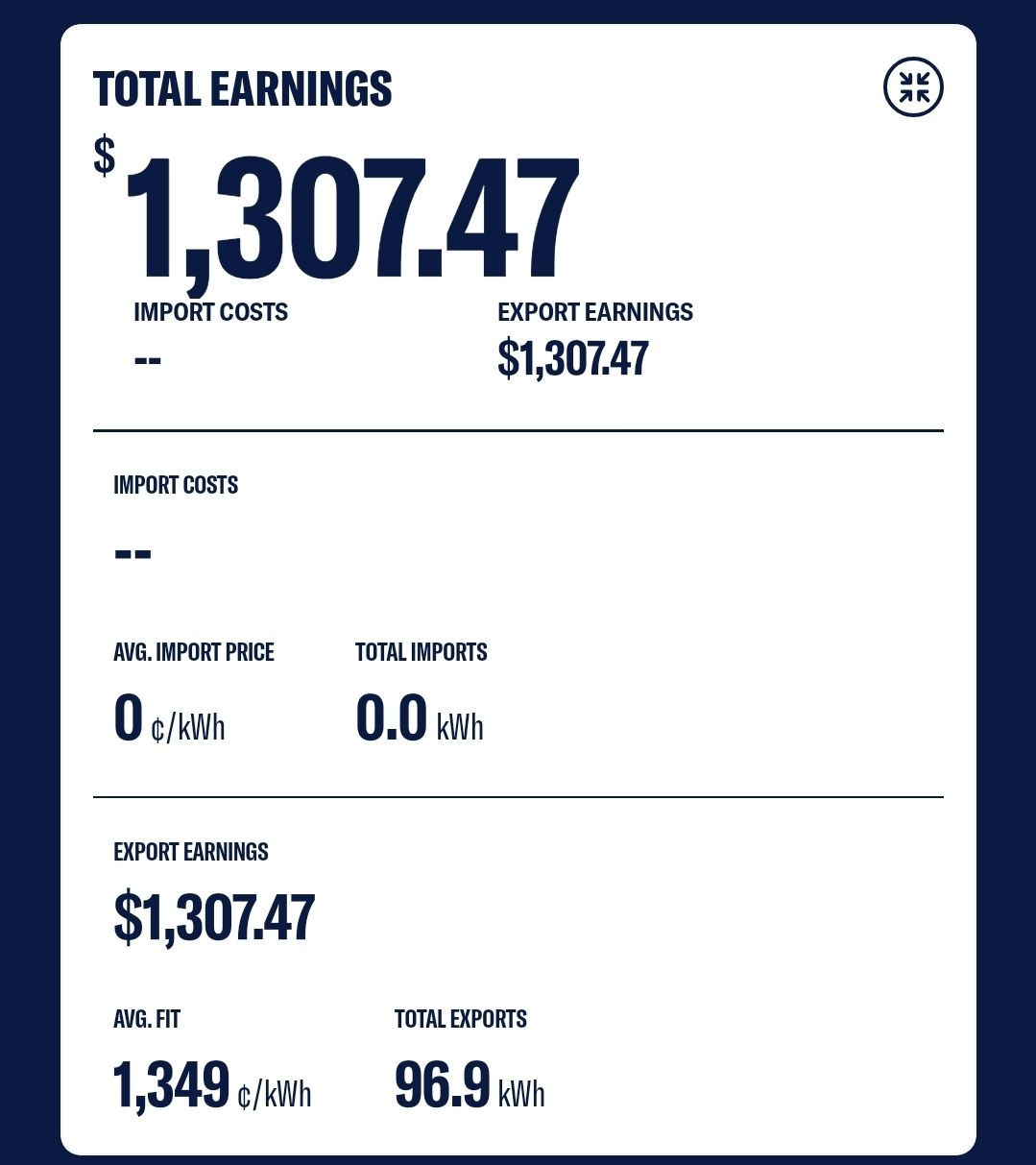
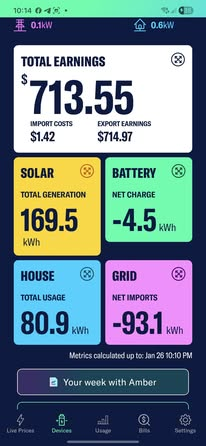
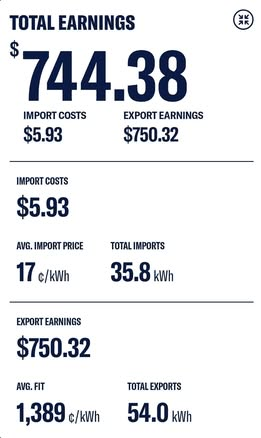
And with climate change making extreme weather events more frequent, not less, these kinds of events aren't going anywhere.
Your battery doesn't need chaos. It needs a gap.
Your battery doesn't need wild price swings every single day to earn well. It just needs a meaningful gap between the cheapest and most expensive times of day. And that gap isn't closing. In many cases, it's widening.
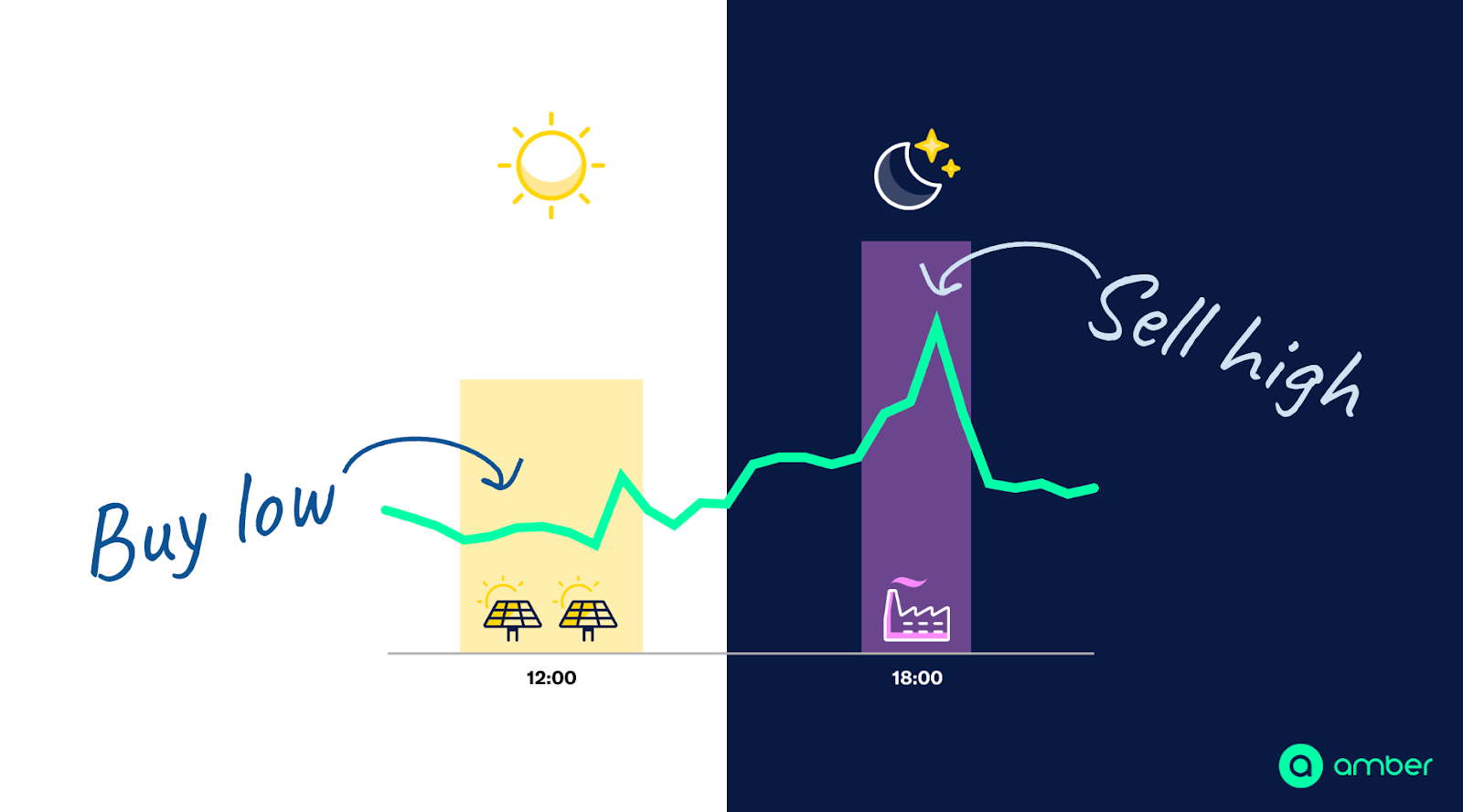
During the middle of the day, solar floods the grid and wholesale prices regularly drop to zero or go negative. You could get paid to charge your battery. Then in the evening, as the sun sets and everyone turns on their appliances, prices climb. Your battery sells that stored energy back at a premium.
You might have heard this called the "duck curve." As more solar comes online, the duck gets deeper. More solar means cheaper midday energy, which means your battery charges for less. And as coal exits and evening demand stays strong, the peak prices your battery sells into hold firm or grow.
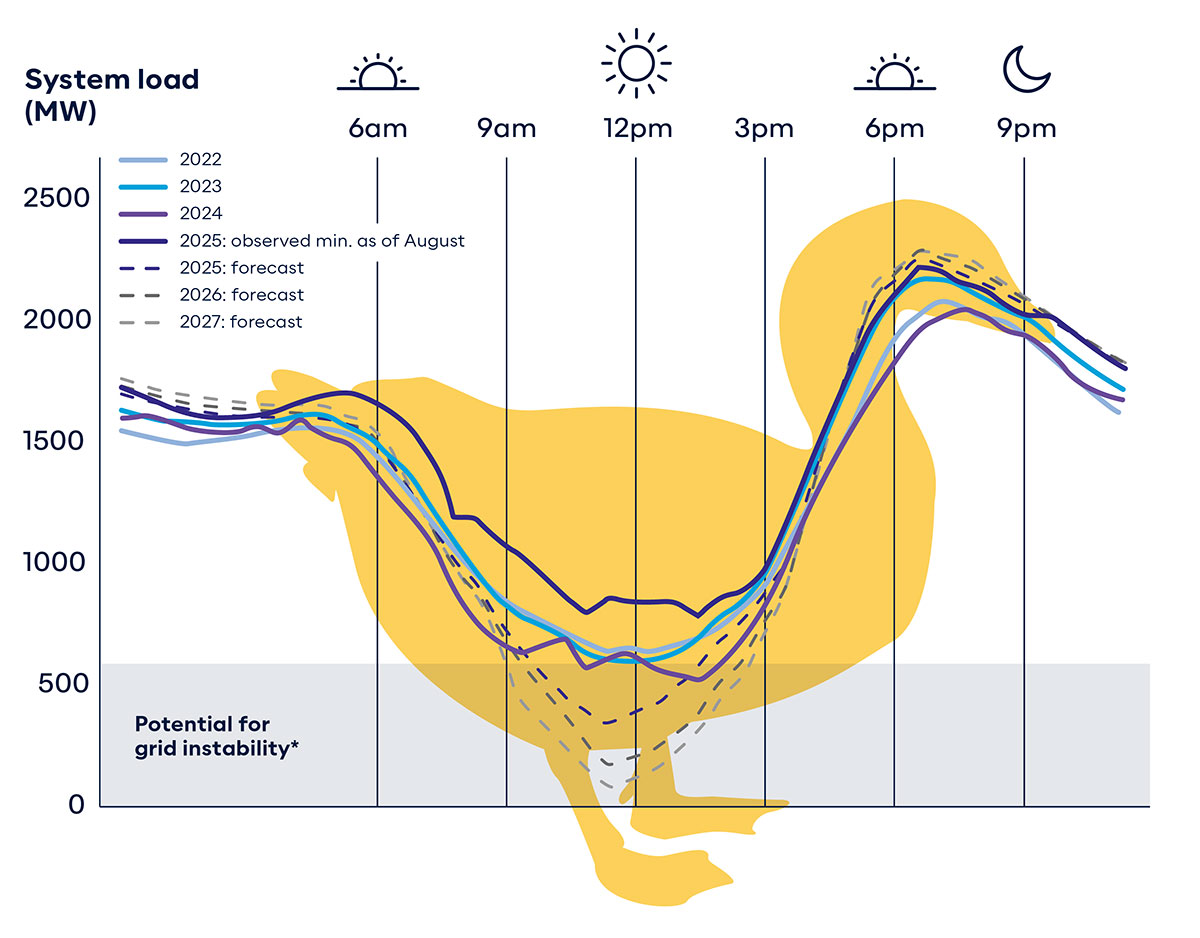
Image credit: Synergy
The shape of the market is changing. But it's changing in ways that make a well-managed battery more valuable, not less.
What about free daytime electricity and VPP offers?
You may have seen news about retailers offering "three hours of free electricity" in the middle of the day. Or virtual power plant (VPP) programs that offer fixed credits for your battery exports. Sounds good but these offers don’t give you the full benefit of the wholesale price gap.
The free daytime electricity offers rolling out from July 2026 across parts of NSW, Queensland and South Australia give you three hours of zero-cost power during peak solar hours. Handy if you're running the dishwasher or charging your EV. But it doesn't help your battery earn. Those hours are already when wholesale prices are at their lowest (or negative). The real value is in the gap between those cheap hours and the expensive ones, and a free-power window doesn't give you any of that upside.
VPPs with fixed export credits have a different problem. They put a ceiling on what your battery can earn. A typical VPP might offer 10 to 15 cents per kWh for your exports. With Amber, your battery can earn up to $19/kWh during price spikes, because you're getting the actual wholesale rate. Not a watered-down version of it. Even on a regular evening, Amber customers routinely earn well above what a fixed credit would pay.
The difference comes down to the model. Traditional retailers and VPPs take the market upside for themselves and hand you a fixed rate. Amber passes 100% of the wholesale price through to you. When prices spike, you keep all of it.
SmartShift maximises earnings for you
Amber’s SmartShift automation doesn't just react to today's prices. It plans ahead, creating a daily charge and discharge schedule personalised to your home, your battery, and what the market's doing.
As the grid evolves, with more solar, less coal, and more batteries on the system, the timing of the best opportunities shifts too. SmartShift adapts. It's constantly learning and optimising, making sure your battery is buying low and selling high even as patterns change.
Last year, a third of Amber SmartShift users earned more than they paid for energy. Net negative bills, with credits they could cash out at any time. And 74% of Amber battery customers had at least one negative bill during the year. That's not a fluke. It's what happens when your battery has access to the real market and the smarts to make the most of it.
More batteries on the grid
As batteries buy cheap renewable energy and sell it back during expensive peaks, they accelerate the exit of coal and gas generators. Every time this happens, there is a step change in volatility, which creates more opportunity for batteries and also attracts more renewables. This cycle will play out over the next decade, and at every stage of it, a battery on the real wholesale market will outperform one locked into a flat retail rate.
What batteries are changing is who profits from that volatility - shifting it away from coal and gas generators and toward households. The gap between cheap and expensive energy doesn't disappear, it evolves. And finding that gap, wherever it moves, is exactly what Amber is built to do.
Sources
- AEMO, Quarterly Energy Dynamics Q4 2025, January 2026. NEM average wholesale price of $50/MWh, renewables at 51% of supply, battery discharge up 175% during evening peaks.
- AEMO, Draft 2026 Integrated System Plan, December 2025. Two-thirds of remaining coal fleet projected to close by 2035.
- Energy Storage News, South Australia battery storage captures 4-hour AU$1,000/MWh price event as heatwave drives revenue uplift. SA heatwave wholesale price event.
- pv magazine Australia, Electricity retailers to offer three-hour window of free power from 1 July 2026, November 2025.
- Solar Choice, Best Virtual Power Plant (VPP) Providers in Australia Compared (2026). Typical VPP fixed export credit ranges.
- Modo Energy, 2025: What the year meant for battery energy storage in the NEM. Battery installation volumes and rollout pace.


