
Expert Insights on Solar, Batteries and Power Bills
A collection of energy explainers, customer stories and industry perspectives from our crew here at Amber.
Categories:
.jpg)
Petrol prices are up, but fuel is only one part of the cost of owning a car. If you’re weighing up petrol versus electric, you might wonder what it actually costs to buy, own and run each type of vehicle over time?
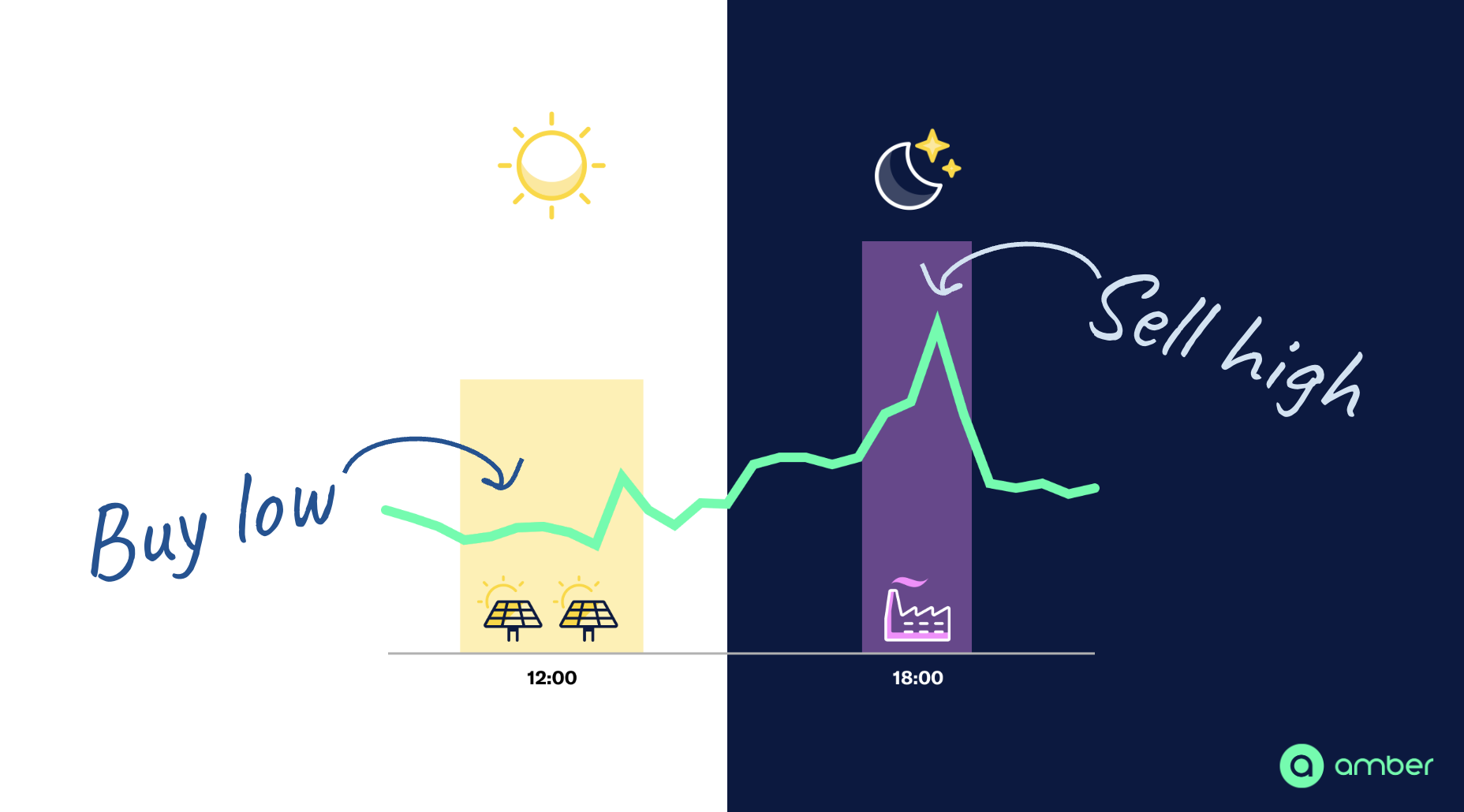
Australia's installing batteries at a record pace. Over 250,000 have been added since the federal battery rebate started in July 2025. So it's a fair question: if everyone's got a battery, won't the grid just flatten out? Won't there be nothing left to earn? Short answer: No.
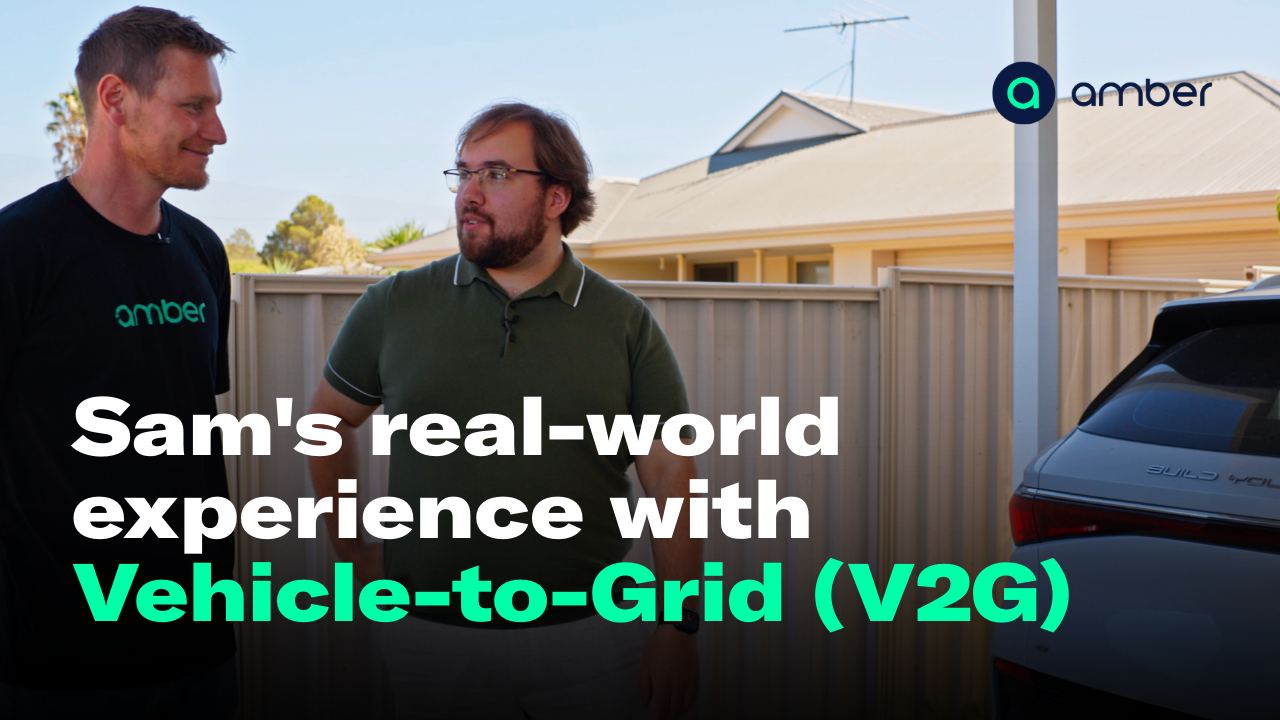
What if your electric car could earn you $700 in a single afternoon? That's exactly what happened to Sam, a homeowner in South Australia, who combined rooftop solar, a home battery, and a V2G-enabled EV to create a powerful household energy system - and cash in big during a period of extreme electricity price volatility.
If you're an Amber customer in South Australia with solar (and especially if you've got a battery), you've probably heard about SA Power Networks' two-way tariff, known as RESELE. It's one of the most common things our SA customers ask about - so let's break down what it is, how to get on it, and what to expect.
.png)
If you're on SmartShift, you already know it's working away in the background - charging your battery when prices are cheap, discharging when they spike, and building a daily plan around your household's energy patterns. But sometimes, things might not look quite right. Maybe SmartShift charged your battery when you expected it to hold off. Maybe it didn't export when prices were through the roof. Or maybe something just felt... off. When that happens, we want to hear about it. And we've made it easy to tell us, right from the Amber app.

It’s Chris here with your summer market update, and an important note on customer service. I’ll start with a quick look at what’s likely to happen with energy prices over the next few months, then spend most of this update on something we know really matters: how we’re improving our customer service.

Hi everyone - Neil here, COO of Amber. We need to apologise. If you've been unable to get through to our support team, experienced long wait times, or struggled to get answers when you needed them - we're genuinely sorry. This is not the standard we aspire to, and it's definitely not something we're proud of right now. You deserve a full explanation of what went wrong, what we've done to fix it, and what's changing from here.

When award-winning landscape designer and sustainability champion Jamie Durie set out to create Future House, he was taking on one of Australia's biggest challenges: the housing crisis. His goal is to find solutions that are eco-friendly, budget-conscious, and fast to build - to prove that sustainable housing doesn't mean sacrifice or compromise. So when it came to choosing an energy retailer for the show's three families, Amber was the natural fit.
%2520(1).png)
The government's home battery rebate program has been a massive success. Over 160,000 Australian households have already installed batteries with support from the scheme, with most of those installations happening in suburbs and regional areas.That's great news for the energy transition. But it's created a timing issue. Here's what's changing and what it means if you're planning to get a battery.

Air conditioning and heating can make a massive difference to your comfort at home, but they can also make a noticeable dent in your energy bill. If you've ever wondered exactly how much it costs to run your air conditioner or why your bill spikes in summer and winter, you're in the right place. Let's break down the real cost of running these appliances, what drives those costs, and most importantly, how you can keep them under control.
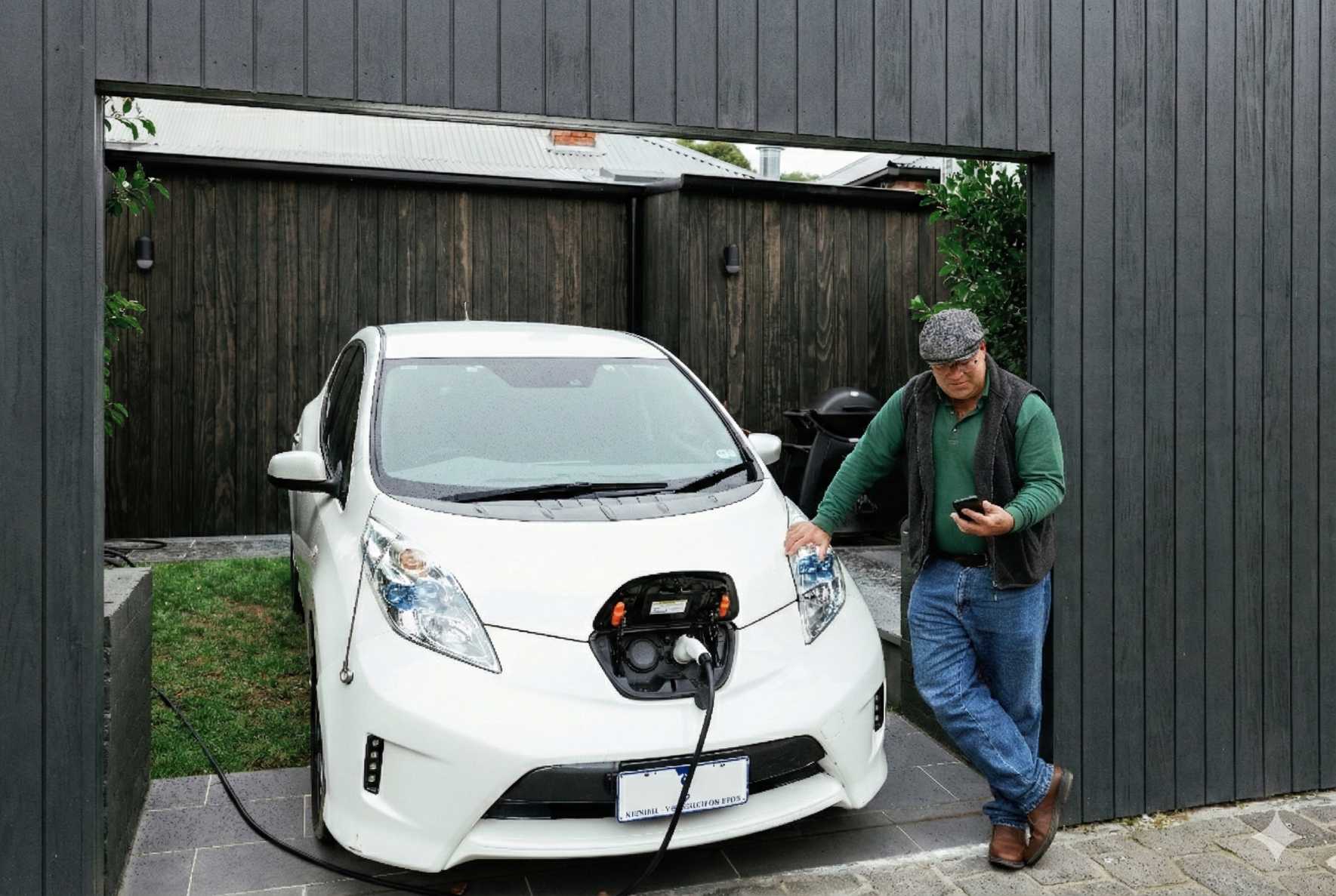
If you've got an electric vehicle and solar panels on your roof, you're probably wondering: can I actually power my car with sunshine? The short answer is yes, and it's a practical way to cut your charging costs while making the most of your solar system. In this guide, we'll walk you through how solar EV charging actually works, what equipment you need, how many panels it takes, and how to make the whole system work smarter with your lifestyle.

Daytime energy prices are dropping to zero or even going negative as Australia's solar systems pump out more energy than the grid needs. For Amber customers with batteries or EVs, these are golden opportunities to charge up for free (or get paid to do it). But if you charge everything at once at full speed, you might overload your home and lose power. The good news? A few simple tweaks to your charging settings mean you can safely soak up all that cheap energy without any drama.


