
Expert Insights on Solar, Batteries and Power Bills
A collection of energy explainers, customer stories and industry perspectives from our crew here at Amber.
Categories:
We’ve spent plenty of time explaining the "loyalty tax" - that frustrating pattern where an energy retailer wins you over with a killer introductory rate, then raises your price once you've settled in and stopped checking. Now, one state has stepped in to stop it. As of 1 July 2026, Victoria became the first jurisdiction in Australia to ban the energy retailer loyalty tax outright. So how does it work, and how will it impact Victoria and other states?

The short answer: the biggest savings on an Australian power bill usually come from fixing the plan, not rationing the heater. Households on an electricity plan more than three years old pay an average of $221 more per year than those on newer plans, according to the ACCC's December 2025 National Electricity Market report. So before you start rationing showers, run five checks on your plan. None of them require a spreadsheet, just your latest bill and a bit of healthy suspicion.
You've seen the ads. $400 credit for switching. Free months of energy. A gift card just for signing up. It works, because who doesn't want free money? So who pays for all that free money? In most cases, you do. Not on the day the bonus lands in your account, but six or twelve months later, once your rates have quietly reset and you've stopped checking. A sign-up bonus is an advance, and the retailer fully intends to collect.
.jpg)
Chris is back with your winter update, read on to learn about what's happening with our subscription prices, the two-way tariffs announcement, our V2G program expansion and the effects of the mild winter we're experiencing.

From this July, most of the electricity networks Amber operates in will start offering two-way tariffs, which will change how much you're paid for exporting solar or battery power depending on the time of day, offering evening export bonuses of up to 15c/kWh on top of normal rates. On paper, it sounds like a massive win for battery owners. But quicker than you can say "did someone say bonus rates" traditional energy retailers are already working behind the scenes to pocket those export rates for themselves and cut battery owners out of the deal. If you think missing out on a two-way tariff designed to reward smart energy use sounds lousy, read on to find out what’s actually changing, how big energy companies are trying to exploit it, and how you can ensure your battery works for you - not your retailer.
.jpg)
We've made the decision to close Charge HQ - a decision we didn't take lightly. Since Amber acquired Charge HQ, co-founder Jay Banyer has brought deep EV expertise and a lean, agile mindset that's shaped how our teams build. We're grateful for everything he's contributed.

If you’ve ever tried to figure out if you're on the right energy plan for your battery, you already know the drill. You open a few retailer websites, line up the offers and within about ten minutes your eyes glaze over. The numbers don't sit side by side. The terms don't mean the same thing. And the harder you look, the less confident you feel. You’re not missing something. The complexity of trying to compare plans is entirely by design.
Solar Sharer Offer, the government's new scheme giving households in NSW, SEQ and SA three hours of free electricity every day around midday, launched today, 1 July 2026 - and we think it's a step in the right direction. Now that it's live, we want to share how it will work with Amber. We cover what Solar Sharer actually is, how the rates compare across each network region, what Amber's offer looks like and who the scheme is well suited to.
.png)
We've been talking a lot lately about the loyalty tax. A fair question has come up in response - including from some of our own community. Amber gives out referral credits when you join through a friend. Isn't that just a new customer discount wearing a nicer outfit? Aren't we doing the exact thing we criticise? It's a reasonable question. So let's go through what the loyalty tax actually is, how our referral credits work, and why the two aren't the same.
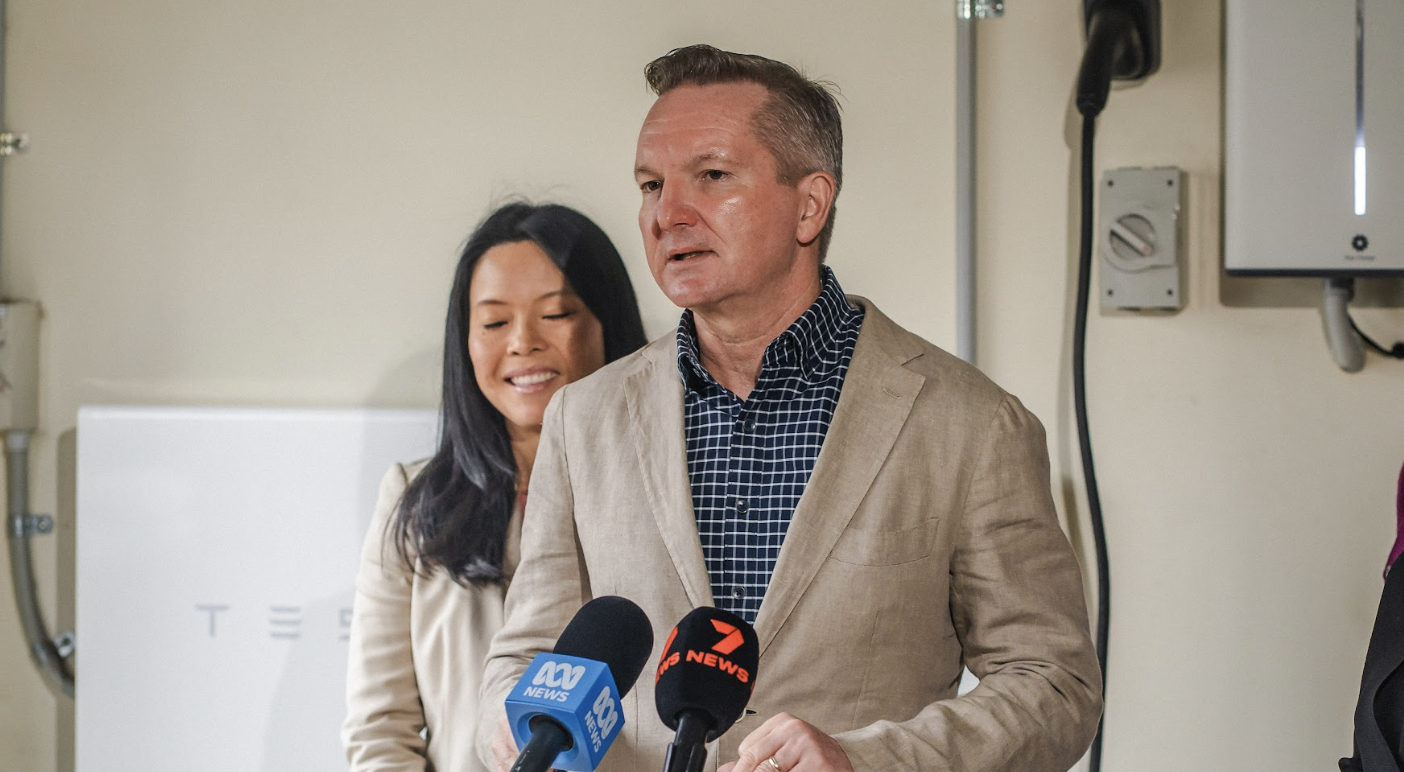
If you recently heard news that benchmark electricity prices were dropping, then opened an email from your retailer telling you your charges are going up, you're not alone. Hundreds of Aussies have been hitting social media lashing out at their retailers and the rate-rise notices they’ve been receiving ahead of 1 July, saying the opposite. Let's dive into why this is happening.

You put a battery on the wall because you wanted more from your energy: more independence, a smaller bill, and a system that pays itself back sooner rather than later.You did the research. You weighed up the brands, the sizes, the warranties, maybe spent a few evenings deep in forums working out which inverter played nicely with what.So is your battery actually doing everything it could be doing?
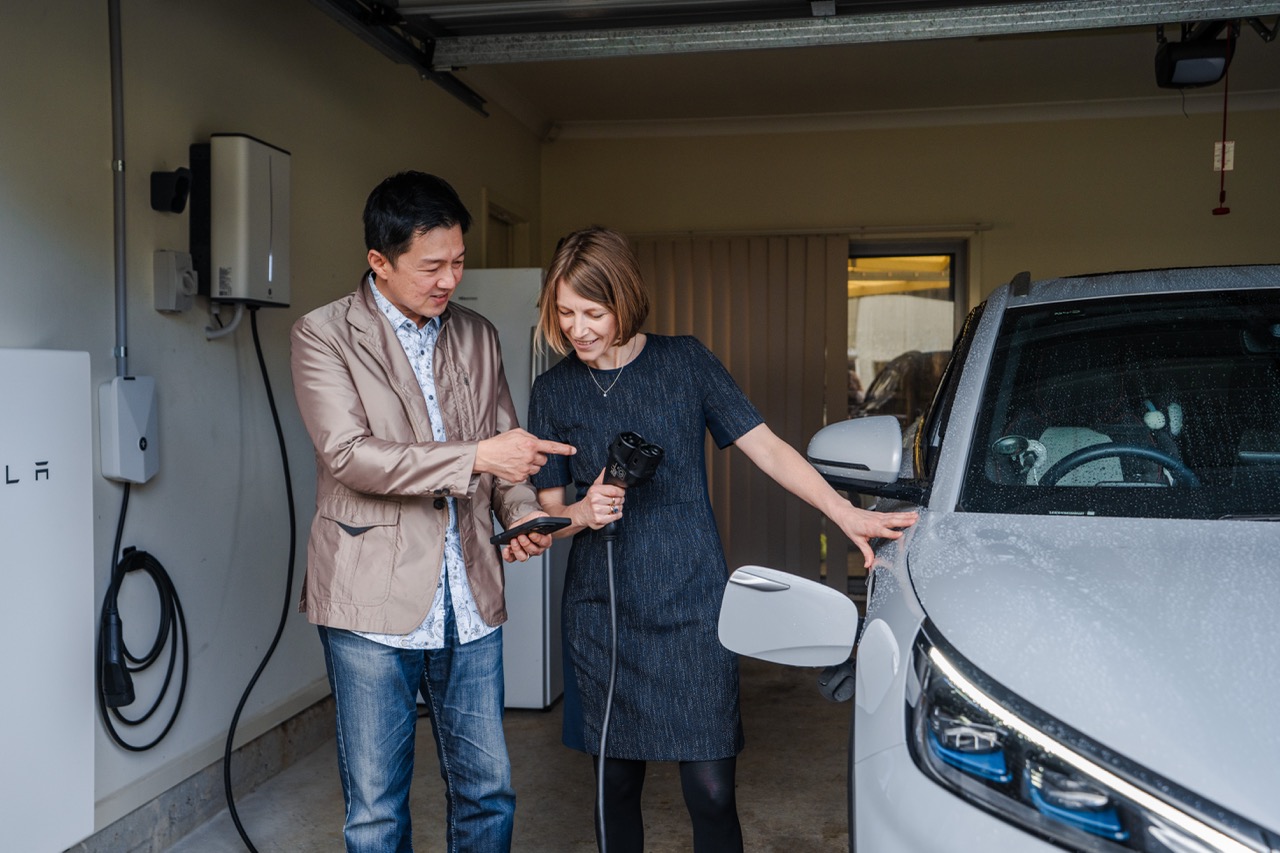
Welcome back to our monthly look under the bonnet of Australia's largest residential V2X trial. From mid-May to mid-June, the fleet tested a simple idea: can it still save money when wholesale prices stay flat? Short answer, yes.


